The Fallout from OBBB - An Opportunity Remains That Could Give Clean Heat a Boost — and What It Means for Homeowners
By
Varsha Madapooosi
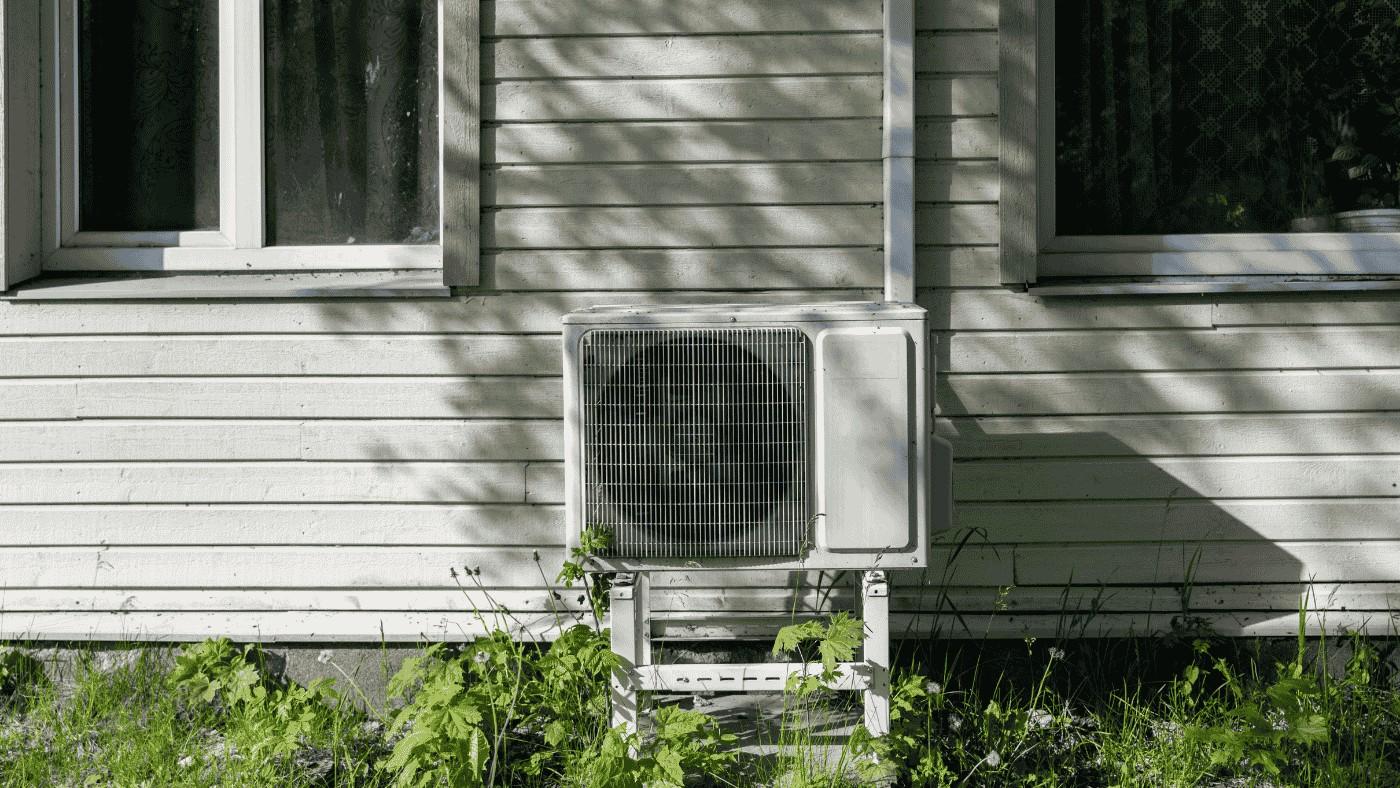
The Fallout from OBBB - An Opportunity Remains That Could Give Clean Heat a Boost — and What It Means for Homeowners
While many home-electrification incentives are expiring, a lesser-known tax-credit for thermal-storage systems offers renewed opportunity—and Harvest’s featured role illustrates the shift.
Incentives for Heat Pumps Are Shrinking—But There’s a New Path Forward
According to Canary Media, the recent legislative overhaul known as the One Big Beautiful Bill Act (OBBBA) will effectively eliminate the standard homeowner tax credit for heat pumps under Section 25D at the end of the year. Canary Media
However, the law preserved the 30% federal tax credit for systems with thermal-energy storage—specifically under Section 48E—creating a unique opportunity that could accelerate the transition to clean heating.
How Thermal Storage Changes the Equation
Systems that integrate storage—whether water-thermal or electric battery storage—are now eligible for tax credits that remain valid through 2033, and begin a phased reduction afterward.
For households and multi-family buildings alike, this means the economics of electric heating are getting a serious boost. Instead of being limited to a modest rebate, homeowners and retrofits incorporating storage can unlock a much larger proportion of the installation cost via tax credits.
Harvest’s Featured Role Highlights the Residential Opportunity
Harvest is explicitly mentioned in the Canary Media article. The company’s system—combining a heat pump for both hot water and space heating/cooling with built-in thermal storage—serves as an example of eligible equipment under Section 48E.
While many commentary pieces focus on commercial or multi-family deployments, Harvest’s inclusion signals that residential applications are very much part of this next wave. In the article, Harvest’s co-founder explains how third-party ownership or leasing models could allow homeowners to benefit from tax-credits even though the credits accrue to the system owner.
What Homeowners Should Be Doing Now
Given this shifted incentive landscape, those considering home electrification—or upgrading aging HVAC/water-heating systems—should:
- Evaluate systems that include thermal-storage capability, not just conventional heat pumps
- Understand ownership vs. lease models, since the tax credit in many cases is captured by the system owner (which could be a leasing entity)
- Act before other credits expire: with 25D phasing out at year-end, timing matters
- Factor in long-term savings, future-proofing against grid & fuel-cost risks, and the broader shift away from fossil-fuel infrastructure
Why This Matters in the Bigger Picture
This opportunity isn’t just a tax-code anomaly—it reflects how home-heating electrification is evolving. Instead of standalone heat pumps, the next generation of systems will integrate storage, smart controls, and full-home electrification packages. In that evolution, companies that can offer systems built around storage eligibility and sophisticated ownership models will have a strategic advantage.
Harvest’s presence in the conversation underscores that residential systems are catching up with commercial deployments. For homeowners, that means the years ahead may offer more accessible, higher-value models for going all-electric—not just for new construction or large buildings, but for typical homes too.


.png)
.png)
.png)
.png)
.png)
.png)
.png)

.png)
.png)
.png)
.png)
.png)
.png)
.png)
.png)
.png)
.png)

.png)
.png)
.png)
.png)
.png)
.png)

.png)
.jpg)
%20(2).png)

%20(1).png)

%20(2).png)
%20(3).png)

%20(1).png)
%20(5).png)
%20(3).png)
%20(1).png)
.png)
.png)
.png)
%20(4)%20(1).png)
.png)

%20(11).png)
%20(10).png)
%20(6).png)
%20(4).png)
%20(3).png)
%20(10).png)
%20(6).png)
%20(1).webp)
.jpg)
%20(4).png)
%20(2).png)
.png)
%20(2).png)
.png)


.jpg)


%20copyminimal%20_0.1.jpg)


