Greek Homes Run on Solar and Heat Pumps. Here's What It Takes to Do the Same in California.
By
Felix Remennik
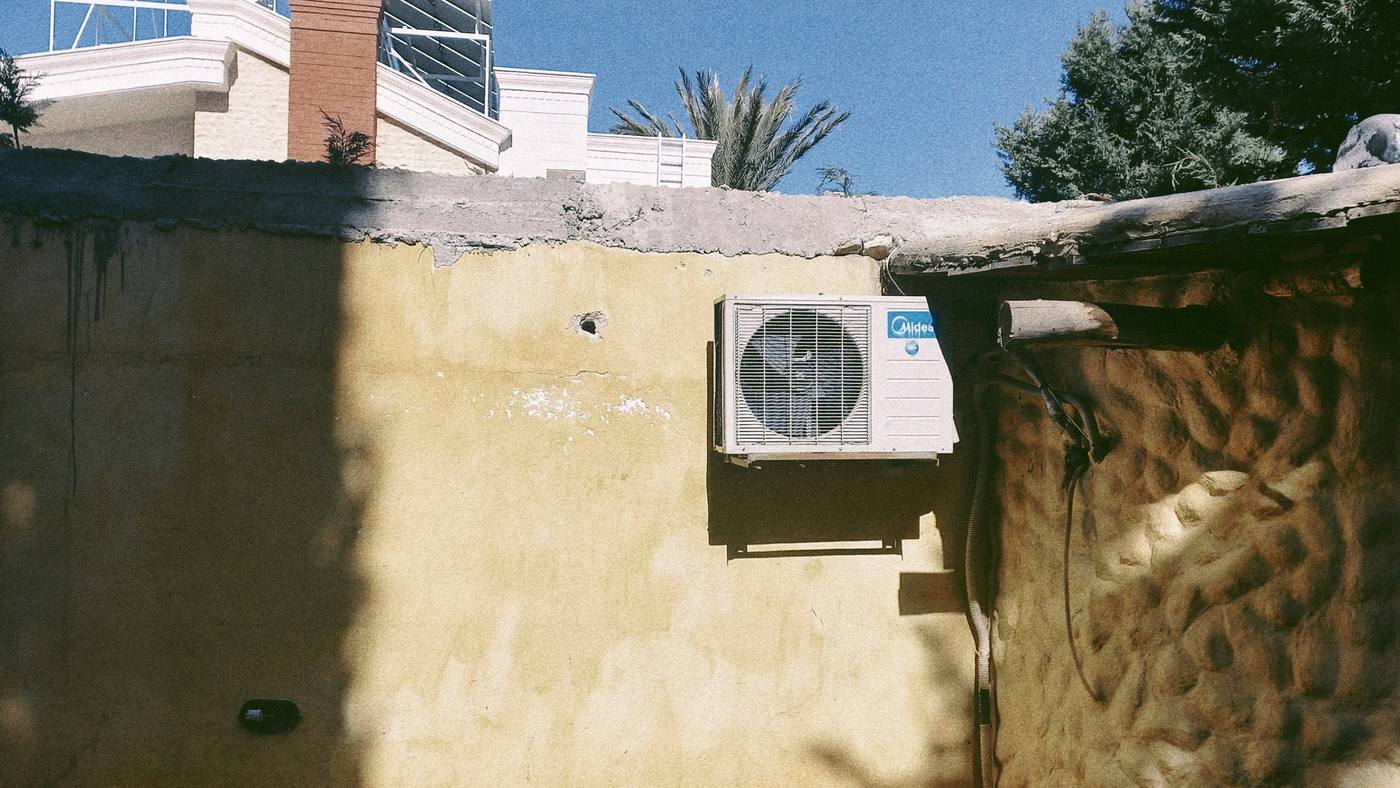
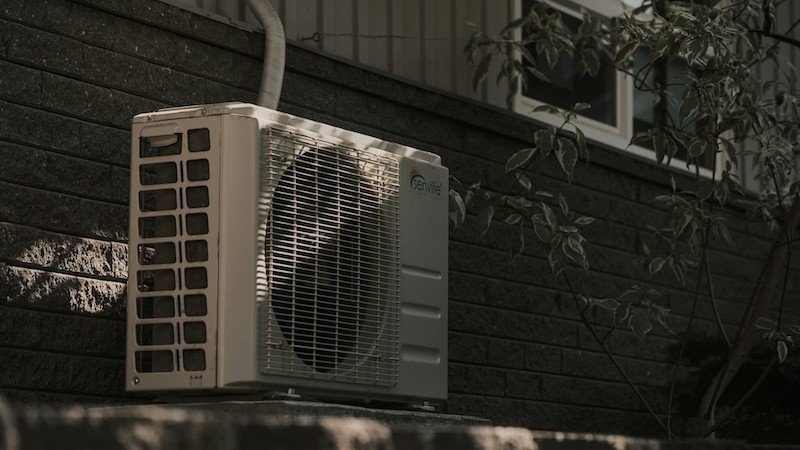
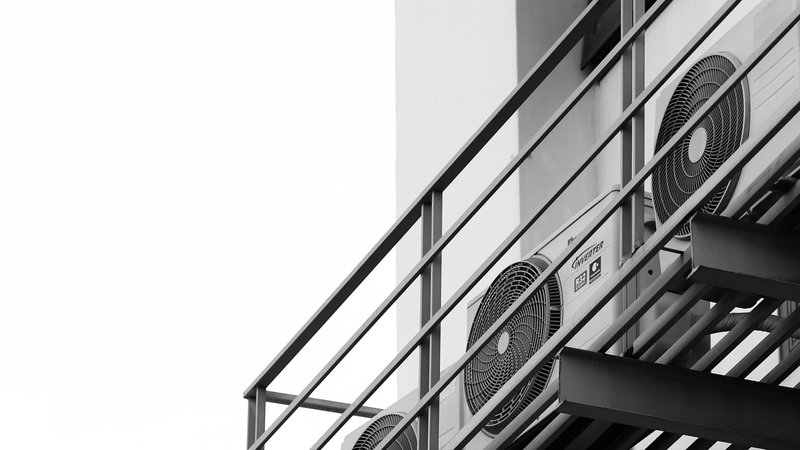
A recent piece in CleanTechnica from a writer traveling through Greece paints a vivid picture of a country that has quietly built one of the most natural clean energy lifestyles in the world. Heat pumps on every balcony and rooftop. Solar water heaters on every building. Laundry drying in the Aegean breeze. Solar accounting for 17% of all Greek electricity, up from nearly nothing a decade ago.
It's a compelling vision - solar energy abundant enough that powering a heat pump from the sun feels almost effortless. And in Greece's mild Mediterranean climate, with modest heating loads and sunshine almost every day of the year, it largely is.
But here's the problem that Greece doesn't have to solve - and Bay Area homeowners do.
The Gap Between Midday Sun and Evening Heat
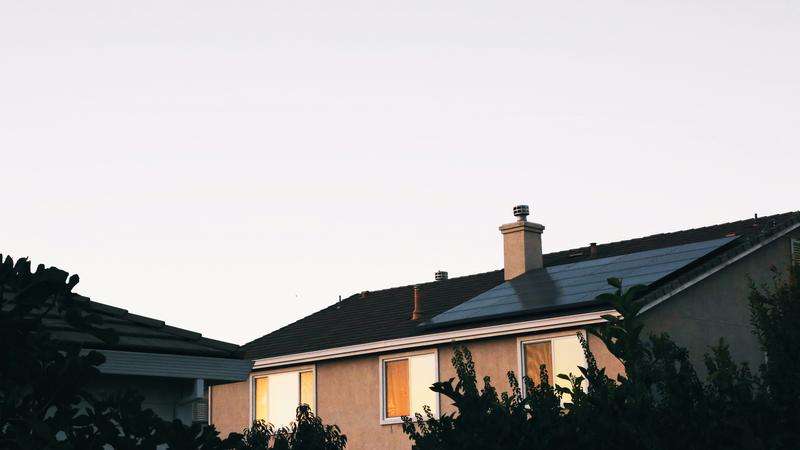
Solar panels produce electricity when the sun shines. Heat pumps - and especially heat pump water heaters - need to run when people actually want hot water and warmth: mornings, evenings, cold nights. In a mild climate with low heating demand, that mismatch is manageable. You can run your heat pump during the day, top off a small tank, and get through the night easily.
In California, the equation is different. Heating loads are larger. Winter nights are colder. And PG&E's time-of-use rates mean that electricity is most expensive precisely when solar isn't producing - evenings and early mornings. A standard heat pump installation, however efficient, has no good answer to this. You either run it on expensive peak electricity, or you sacrifice comfort.
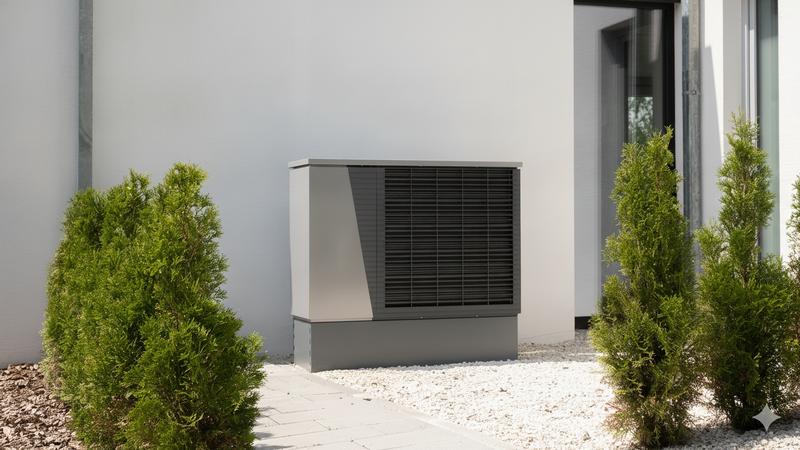
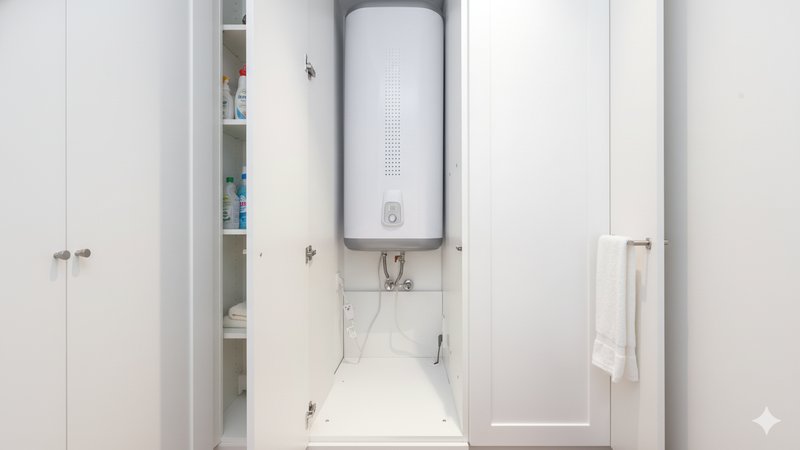
Harvest has cracked this problem. The thermal battery at the heart of the Harvest system charges during midday - when your solar panels are producing, when grid electricity is cheapest, when the heat pump runs at peak efficiency. It then stores that thermal energy and delivers it through the evening and night, when your home actually needs it. Midday solar electricity becomes nighttime heat and hot water, with no compromise on comfort and no exposure to peak rates.
This is the piece that's missing from most heat pump installations, and it matters far more in a market like the Bay Area - with real winters, real heating loads, and time-of-use pricing - than it ever would on a Greek island.
The Same Vision, Built for California
What Greece demonstrates is the power of pairing solar with heat pumps as an integrated strategy rather than two separate decisions. The CleanTechnica writer notes that Greeks can simply reach for their heat pump remote whenever they need it, powered by the solar energy falling on their rooftops - and it's that seamlessness that makes it work.
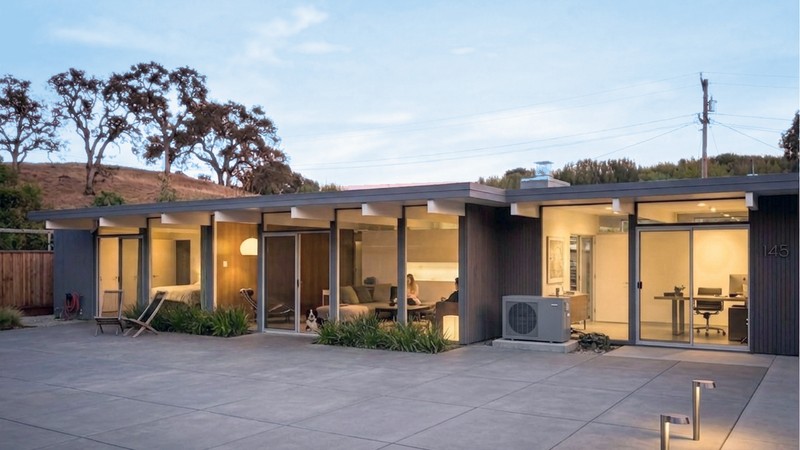
Harvest brings the same integration to California homes, with the thermal storage layer that a mild Mediterranean climate doesn't require but a Bay Area winter absolutely does. One platform manages heating, cooling, hot water, and thermal storage - synced automatically to your solar production and your utility's rate schedule.
The vision is the same. The engineering has just had to go further.





.jpg)
.png)
.png)
.png)
.png)

.png)
.png)


.png)
.png)

.png)
.png)
.png)
.png)
.png)
.png)
.png)


.webp)


%20694x450.webp)

.webp)


