The Science Is In: Heat Pumps Are Four Times More Efficient Than Gas Boilers
By
Felix Remennik
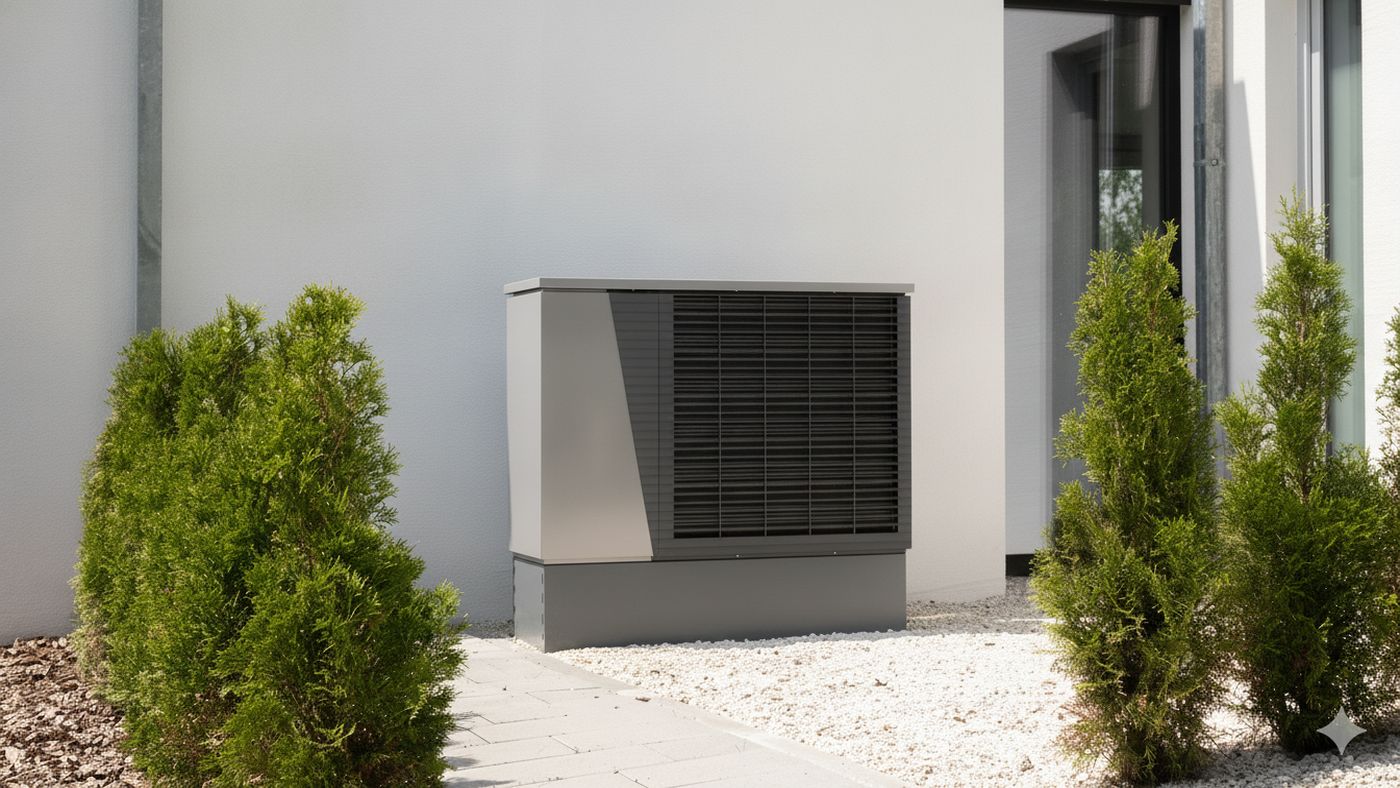
There has always been a gap between what heat pump technology promises and what homeowners actually believe about it. A new study from housebuilder Bellway and the University of Salford goes a long way toward closing it.
Researchers built a full three-bedroom home inside the University of Salford's Energy House 2.0 climate chamber - a controlled environment capable of simulating a wide range of weather conditions - and tested how air source heat pumps performed against conventional gas boilers across different temperatures. At a typical winter temperature, the heat pump produced more than four units of heat for every single unit of energy consumed. Even at -5°C, it produced almost three units. A gas boiler, by comparison, produces at most 0.9 units from the same input. That's not a marginal improvement. It's a fundamentally different category of technology.
The study is notable for being the most rigorous test of its kind - not a simulation or a model, but a real home tested under controlled, real-world conditions.
Getting the Most Out of a Heat Pump
One of the most useful findings in the study is also the most practical: heat pumps perform best when run consistently at a low, comfortable temperature - around 18-21°C - rather than switched on and off on demand. That's the opposite of how most households are used to running a gas boiler, and it's a shift that catches a lot of homeowners off guard.
The researchers were explicit about this. Heat pumps are designed to run constantly at low output, not to blast heat on demand the way gas systems do. Used correctly, the efficiency numbers are exceptional. Used the way you'd use a gas boiler, you lose much of the advantage.
This is where Harvest changes the picture entirely. Harvest's thermal battery manages that constant, low-level operation automatically - storing energy during off-peak hours when electricity is cheapest, typically midday when solar supply peaks, and delivering it steadily through the day. You don't have to think about when to run the system or how to optimise it. The platform does that for you, synced to your utility's time-of-use rates and your solar production if you have it.
The result: Bay Area homeowners on Harvest are seeing 20-40% reductions in monthly heating and hot water costs - not just versus gas, but versus standard heat pump installations that leave the optimisation to the homeowner.
One System, Not Three
The Bellway study also reinforces that heat pump performance depends on how the whole home is set up - not just the unit itself. The tested home combined underfloor heating downstairs with radiators upstairs, integrated with the heat pump as a complete system.
Harvest is built on the same principle. Heating, cooling, hot water, and thermal storage all run on a single platform, installed in one go, synced automatically to your utility's rates. No juggling separate contractors or apps. One installation, optimized from day one.
Get a Quote Today
Source: Study: Heat pumps four times more efficient than gas boilers in new homes - BusinessGreen









.jpg)

.png)
.png)
.png)
.png)

.png)
.png)


.png)
.png)

.png)
.png)
.png)
.png)
.png)
.png)
.png)


.webp)


%20694x450.webp)

.webp)


