The US Has No Deadline for Home Decarbonization. The Bay Area Effectively Does.
By
Felix Remennik
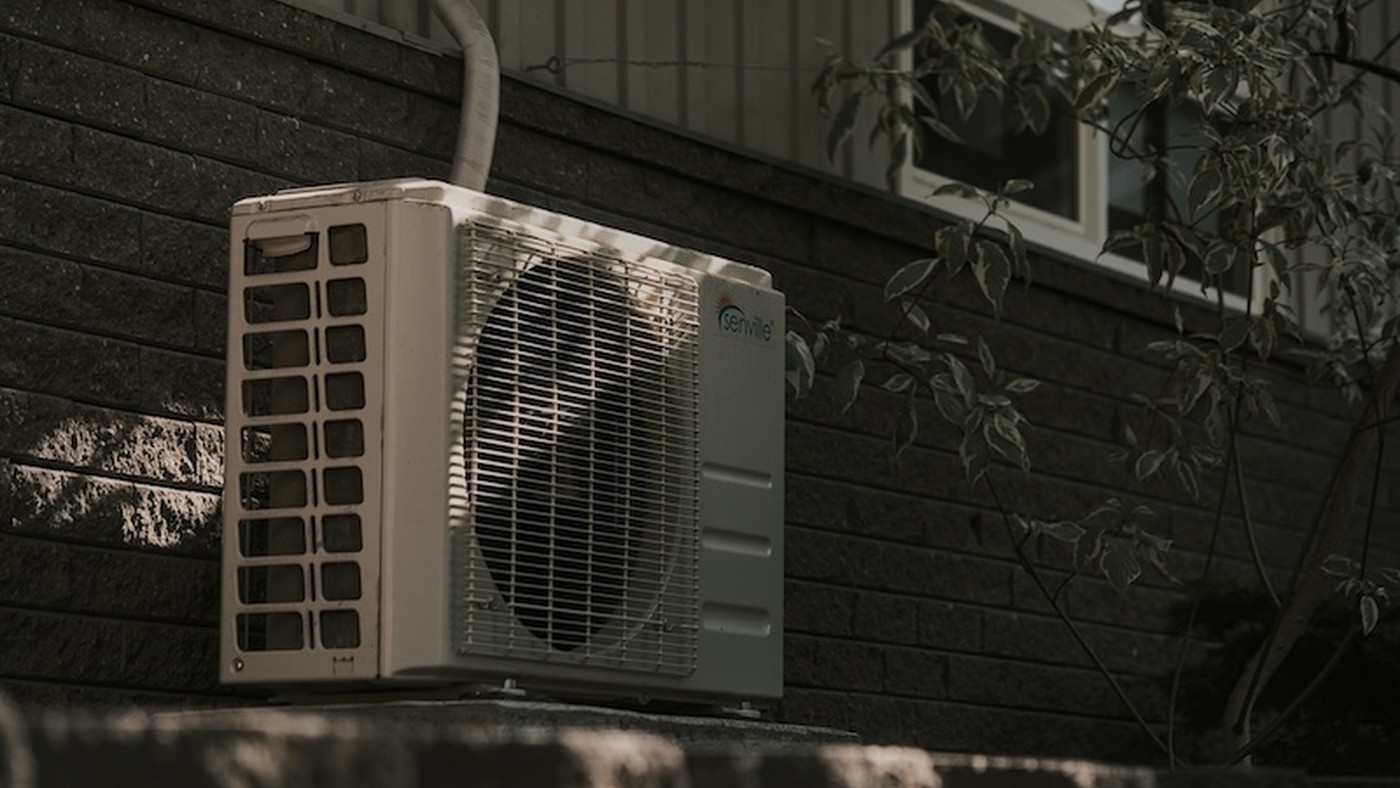
A recent Latitude Media article puts a striking number on America's home decarbonization problem: every 8 seconds, somewhere in the US, a contractor installs a system that can only cool, locking that home into gas heating for the next 15 to 20 years. Nationally, there's no plan to stop it.
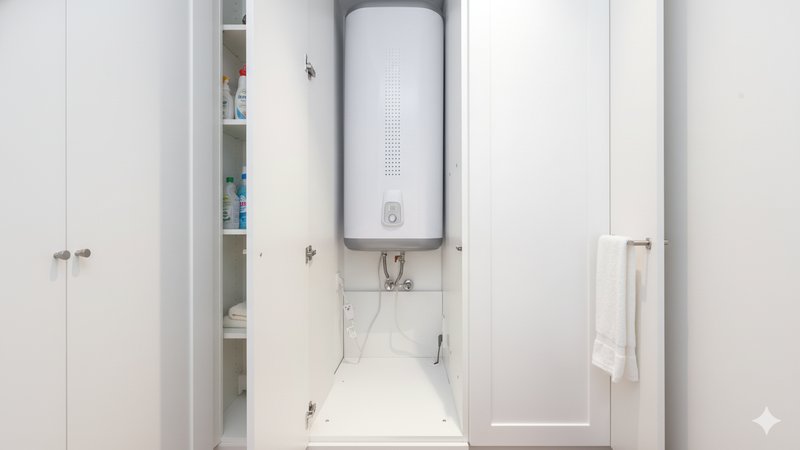
In the Bay Area, the plan already exists. Starting 2027, you won't be able to replace a broken gas water heater with another gas model. Furnaces follow in 2029. Your current system can stay until it needs replacing, but when that day comes, the options will be different.
If your water heater or furnace is more than 10 years old, that day may be closer than you think. The good news: acting now means doing it on your terms, with today's incentives still on the table.
Space heating is where the real savings are
The Latitude Media piece touches on the meaningful bill reductions heat pump technology delivers for water heating. But water heating is a fraction of what most Bay Area homes spend on energy. Space heating (keeping the house warm through a Bay Area winter) is where the bigger opportunity lies.
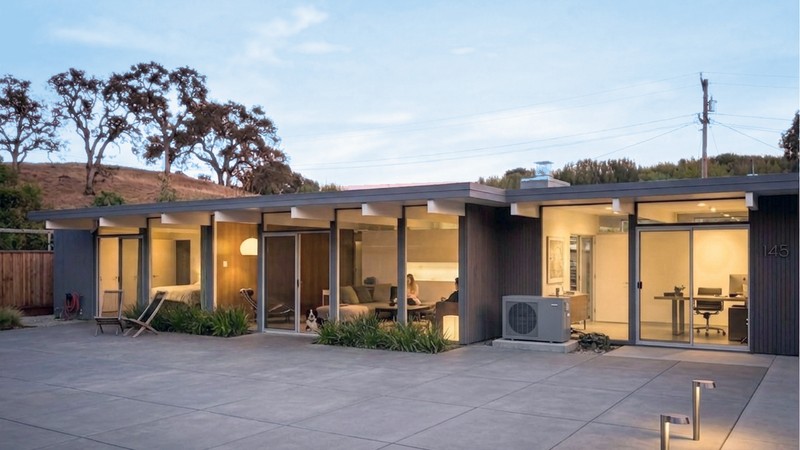
Harvest's system applies that same logic at a whole-home scale. It automatically finds the cheapest and most efficient times of day to run, stores that energy, and delivers it when you need it. Your home stays comfortable. Your bills come down, typically by 20–40%. And you don't have to think about it or change how you live.
The tax credit window is still open
A common misconception is that federal incentives for home electrification have already peaked or expired. For thermal energy storage systems like Harvest's, that's not the case. These systems can still benefit from the federal 48E Investment Tax Credit (worth 30–40% of system cost) through a lease program. With Harvest, that credit is built into your monthly payment from day one, with $0 down. No upfront cost, no separate filing.
That window won't stay open indefinitely, and with the 2027 and 2029 replacement deadlines approaching, getting ahead of the curve means getting ahead financially too.
You don't have to wait for a crisis to make the switch
The Latitude Media article makes an important point about how most HVAC decisions get made: a system fails, the house is uncomfortable, and whatever is available gets installed. For Bay Area homeowners, that reactive moment is going to look very different in 2027 and beyond — when gas replacements are no longer an option and contractor availability for electric systems will be under pressure from surging demand.
Acting now, with time to choose the right system and the right installer, is a fundamentally different experience. Our partners at QuitCarbon work with Bay Area homeowners every day to make that transition straightforward, no scramble, no surprises.
The technology is ready. The incentives are in place. And unlike the rest of the country, the Bay Area has a deadline.





.jpg)
.png)
.png)
.png)
.png)

.png)
.png)


.png)
.png)

.png)
.png)
.png)
.png)
.png)
.png)
.png)


.webp)


%20694x450.webp)

.webp)


