New research confirms: home electrification pays off
By
Felix Remennik

Homeowners weighing a heat pump or solar want to know the investment holds up over time. New analysis from RMI confirms it does, modeling heat pumps, rooftop solar, and EVs across every US state and climate zone. The conclusion: the long-term economics work on their own merits. No federal tax credits required.
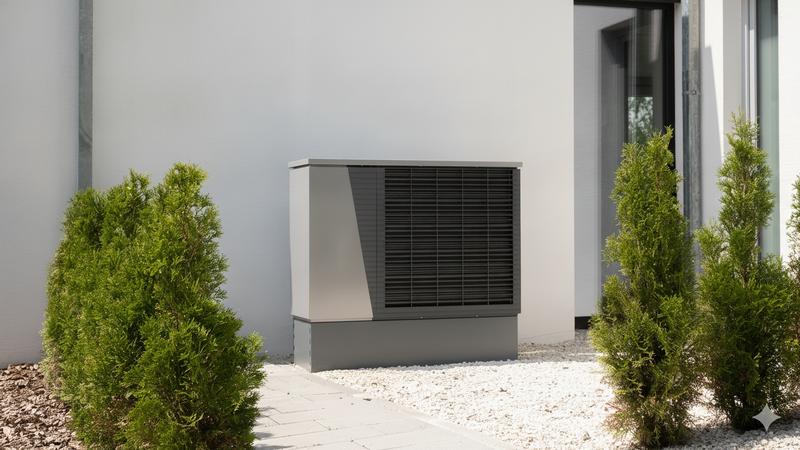
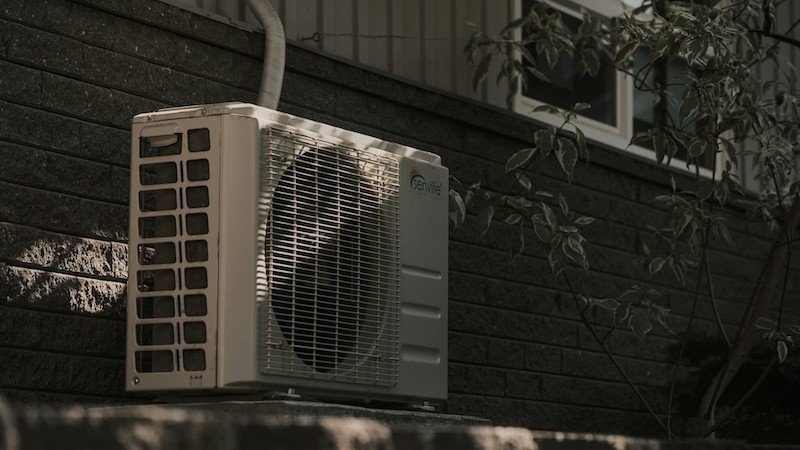
The durable numbers: heat pumps deliver up to $1,100 in average annual savings for homes switching off delivered fuels. Rooftop solar is a savings leader in high-rate states like California. And the technologies compound: pairing solar with a heat pump adds roughly $960 a year on top of the heat pump savings alone.
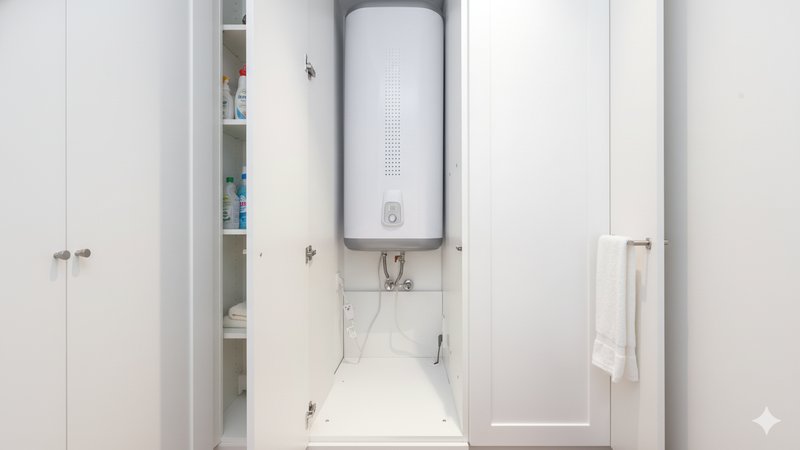
The reason these savings persist is structural. US residential electricity prices have climbed more than 26% in five years, and fossil fuel costs are just as unpredictable. Efficient electric equipment gets more valuable every year that energy gets more expensive. RMI points to solar as the classic hedge against rising rates. A thermal battery does the same job from the other side: it charges when power is cheap and clean, then delivers heat and hot water through expensive peak hours. That load shifting drives 20 to 40% off monthly bills, year after year, regardless of what happens in Washington.
Long-run economics only matter if you can get past day one, though. The upfront cost of better equipment is still the biggest reason homeowners stick with the status quo. That's what the Harvest lease removes: whole-home heating, cooling, and hot water for a single monthly payment, $0 down.
Good technology shouldn't need a subsidy to make sense. Now there's the data to prove it doesn't.
Source: Residential Clean Technologies Still Make Sense, Even Without Tax Credits, RMI, June 22, 2026








.jpg)

.png)
.png)
.png)
.png)

.png)
.png)


.png)
.png)

.png)
.png)
.png)
.png)
.png)
.png)
.png)


.webp)


%20694x450.webp)

.webp)


